



Recap of the 4th AI Moot Court Competition
Recently, the School of Public Legal Services (Lawyer School) of East China University of Political Science and Law (ECUPL), together with Landing Law Offices and Shanghai Wangu Law Firm, successfully hosted the 4th AI Moot Court Competition at the Laning International Legal Building in Shanghai.

Keeping Pace with the Times: From the Metaverse to AI—Redefining Legal Practice Training
This year's event marked the fourth moot court competition jointly organized by the university and participating law firms.
As a core member of the organizing committee, Lawyer Zhao Tianjiao from Landing Digital Economy Team noted that this year's competition achieved broader collaboration among multiple law firms and integrated diverse professional resources. More importantly, AI technology was employed extensively throughout the litigation process for the first time—from case preparation to courtroom advocacy—fully reflecting the organizing committee's commitment to staying aligned with legal practice while continuously embracing innovation.
The transition from the metaverse to AI represents far more than a technological upgrade. It aims to prepare students for the legal profession's ongoing digital and intelligent transformation by providing AI-powered personalized training and realistic adversarial simulations. This enables moot court exercises to more closely mirror real-world legal practice.
Powered by Laws 2.0, an intelligent legal training platform independently developed by Wangu Law Firm, participants were able to create AI-powered digital avatars for fully automated litigation simulations. Throughout each exercise, the system tracked performance in real time, generated competency profiles, and provided targeted recommendations for improvement, enabling participants to strengthen their advocacy skills with precision.
Pre-Competition Training: A Comprehensive Learning Framework Integrating Theory, Practice, and Technology
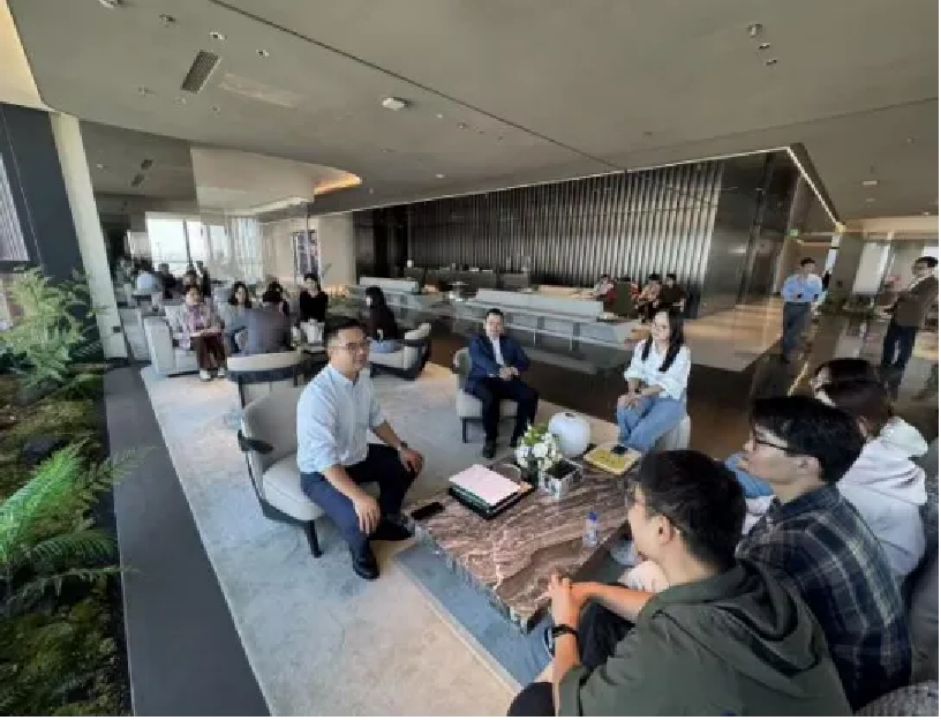
The success of the competition was underpinned by a comprehensive pre-competition training program built around the integration of legal theory, practical advocacy, and digital technology.Jointly developed by the three organizing parties, the training program commenced in late October 2025 at Wangu Law Firm.
During the program:
·Lawyer Pu Tian from Landing Law Offices deconstructed authentic litigation procedures based on real cases;
·Coach Wang Renjia from the ECUPL Debate Team shared courtroom advocacy and oral argument techniques;
·Lawyer Zheng Qiang from Wangu Law Firm provided instruction on short-video production, editing, and legal education through new media;
·Lawyer Zhao Tianjiao from Landing Law Offices, together with AI technology experts, introduced participants to data visualization tools and the practical application of large language models (LLMs) in legal practice.
Through this multidimensional curriculum, participants developed not only a stronger understanding of litigation strategy and courtroom advocacy but also enhanced their ability to leverage emerging AI technologies in modern legal practice.



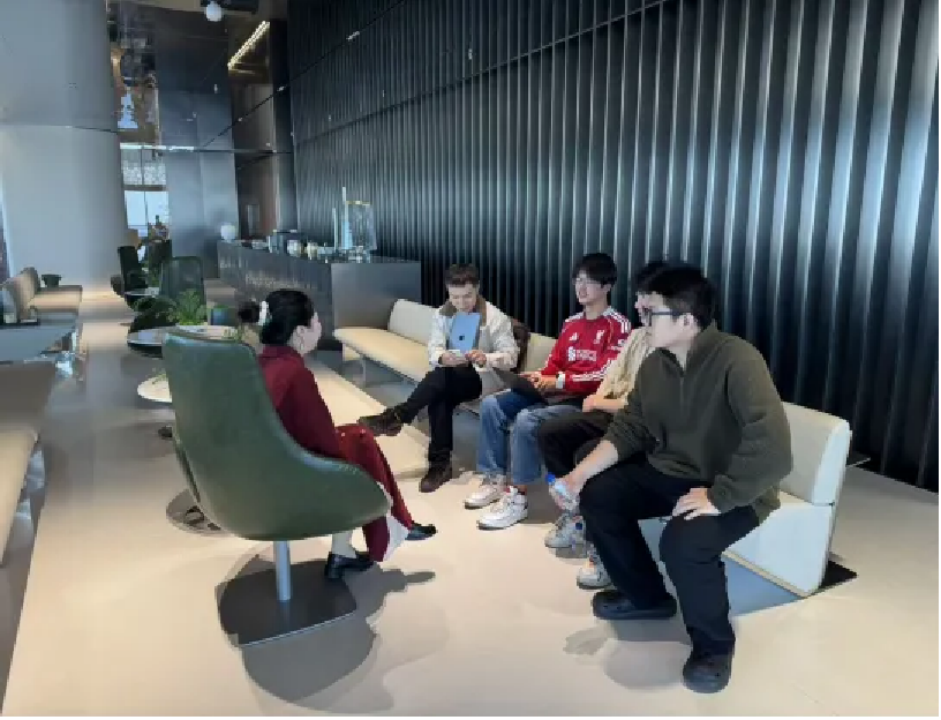
In addition, each team was assigned experienced practicing lawyers as mentors and received two and a half months of comprehensive online and offline coaching before the competition. Lawyer Pu Tian and Lawyer Zheng Lirong from Landing Law Offices, together with Lawyer Zheng Qiang and Lawyer Hu Yuling from Wangu Law Firm, served as team mentors. They provided one-on-one guidance throughout every stage of preparation—from case analysis and legal drafting to courtroom strategy—ensuring each team received tailored professional support.

Competition Highlights: A Battle of Advocacy and Professional Courtroom Excellence
The competition was conducted in teams of five, with participants assuming the respective roles of prosecutors, defense counsel, and judges to litigate classic criminal cases.
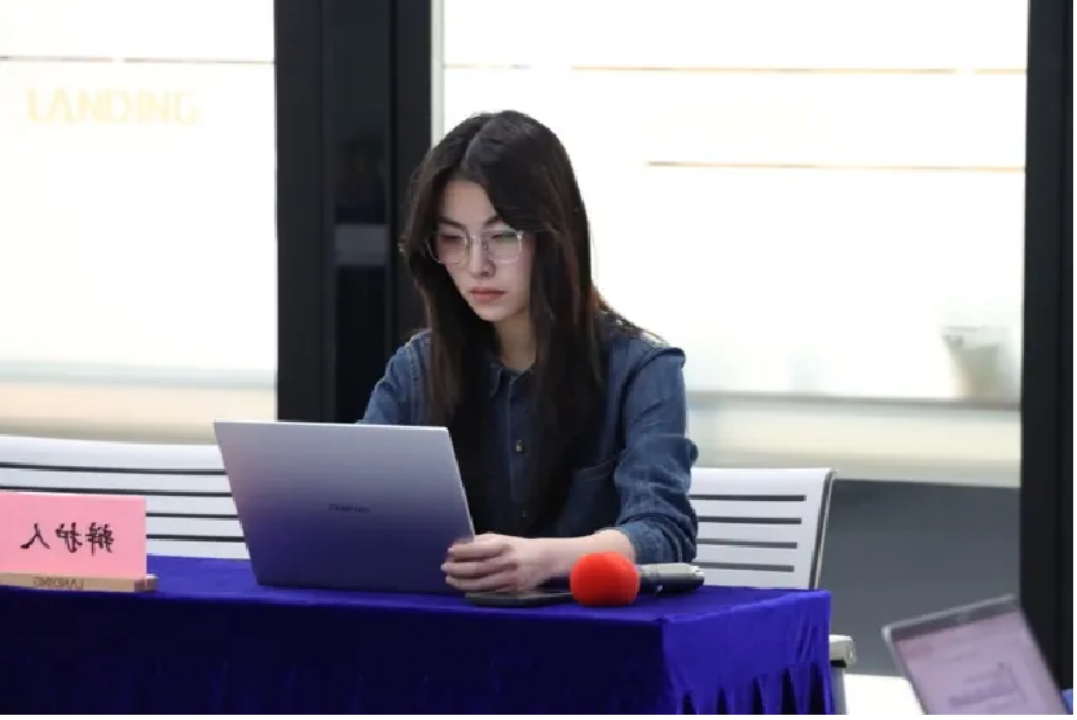
During the preparation phase, participants applied the knowledge acquired through the pre-competition training by using the Laws 2.0 platform to generate multiple rounds of AI-assisted litigation strategies. They also employed tools such as XMind to map case timelines and organize evidentiary chains, enabling systematic case analysis and trial preparation.The courtroom proceedings were conducted in a solemn and professional atmosphere, closely following the procedures of an actual criminal trial. During the court investigation stage, prosecutors presented the indictment and introduced evidence, while defense counsel rigorously challenged the admissibility, authenticity, and relevance of the prosecution's evidence, identifying procedural deficiencies and factual inconsistencies.
The courtroom debate proved to be the highlight of the competition. Prosecutors cited provisions of the Criminal Law of the People's Republic of China to establish the elements of the alleged offense and demonstrate its social harm, whereas defense counsel presented arguments concerning factual findings and the proper application of the law. Both sides responded with composure, supported their arguments through precise statutory interpretation, and delivered persuasive advocacy that earned enthusiastic applause from the audience.




Professional Insights: Judges and Participants Reflect on Growth and Learning
Following each moot court session, the four distinguished judges delivered detailed evaluations of the participants' performances, drawing upon their extensive litigation experience to provide practical feedback and professional guidance.
Zhan Weiguang, Senior Partner at Landing Law Offices, highlighted the significant advantages that AI technologies bring to moot court training. She noted that AI can effectively assist participants by rapidly retrieving relevant cases, identifying key legal issues, consolidating precedents and academic perspectives, and enhancing the structure, logic, and language of legal documents.
Looking ahead, he expressed hope for the further development of adversarial AI applications to create more sophisticated debate-support systems that can simulate high-pressure courtroom scenarios and strengthen participants' advocacy skills through intensive pre-trial practice.
At the same time, Ms. Zhan emphasized that AI should serve as a tool rather than a substitute for legal reasoning. She recommended incorporating dedicated AI literacy training into future competitions to help students develop the ability to use AI critically and responsibly, avoid overreliance on technology, and preserve the analytical thinking, professional judgment, and creativity that define outstanding legal practitioners.
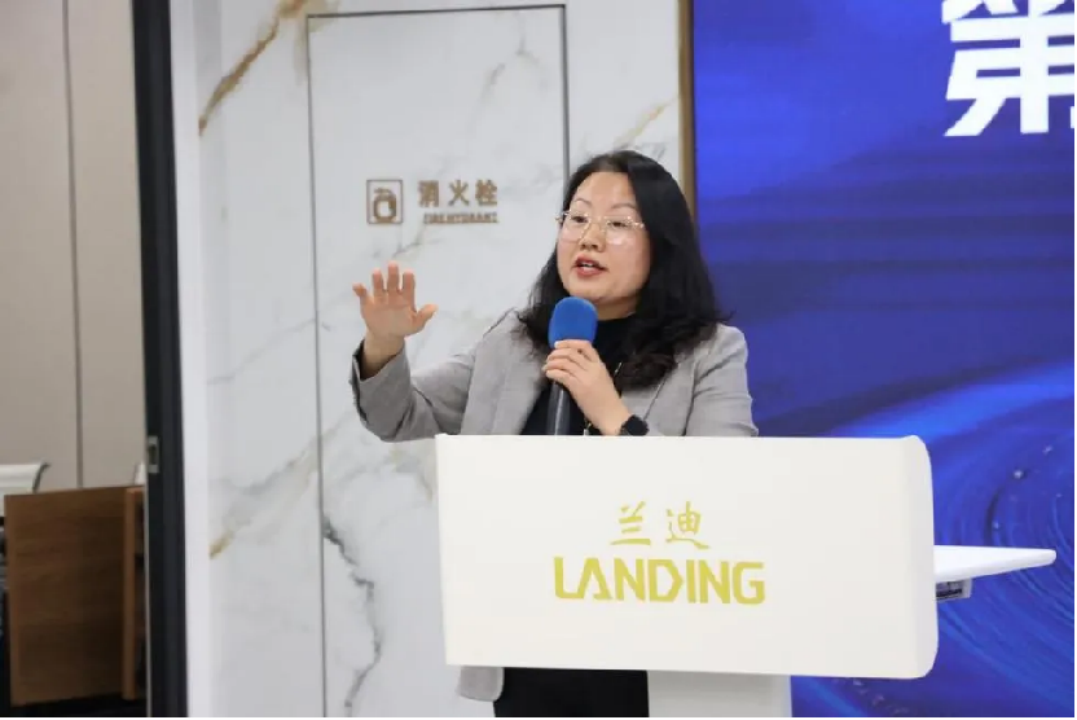
Sun Yun, Senior Partner at Landing Law Offices, emphasized that in criminal proceedings, each participant must remain faithful to the responsibilities of their respective role. Defense counsel should maintain a clear and coherent line of defense throughout witness examination and courtroom debate, while prosecutors, as representatives of the State's prosecutorial authority, must present and reinforce the prosecution's case with confidence and consistency. Judges, on the other hand, are expected to uphold strict neutrality and exercise judicial prudence, ensuring that neither party perceives any indication of bias or preconceived judgment.
She further observed that effective courtroom advocacy requires more than rigorous legal reasoning. Persuasive advocacy also depends on the ability to "tell a compelling story"—presenting facts and legal arguments in a coherent and relatable narrative that combines legal analysis with human understanding, thereby enhancing the overall persuasive force of courtroom submissions.

Zhang Guoyuan, Deputy Dean of the School of Public Legal Services at East China University of Political Science and Law, emphasized that the presiding judge should develop strong courtroom management skills by effectively controlling the pace of proceedings, guiding both the prosecution and the defense to focus on the central issues in dispute, and ensuring that each stage of the hearing serves a clear procedural objective.
He further noted that prosecutors should pay close attention to both the techniques and methods of witness examination, maintaining a focused and coherent line of questioning to maximize the effectiveness of their case presentation.
With respect to the defense, Professor Zhang stressed the importance of fostering close coordination between defense counsel and the defendant. Effective communication, seamless teamwork, and strict observance of courtroom etiquette are all essential to ensuring that moot court exercises accurately reflect the realities of judicial practice and provide participants with meaningful practical experience.

Wang Qiang, director of Shanghai Wangu Law Firm, observed that, compared with traditional moot court preparation, AI technology can dramatically reduce the time required for drafting legal documents and conducting legal research. It also enables participants to approach cases from multiple perspectives, helping to overcome the inherent limitations of individual experience and cognition.
At the same time, he stressed that AI-generated content should never be accepted uncritically. Every output must be carefully evaluated and verified through the independent professional judgment of legal practitioners.
Looking ahead, Mr. Wang encouraged students to continue exploring the practical application of AI in legal practice, including the use of multiple AI models in collaborative workflows to strengthen research, analysis, and advocacy training. Nevertheless, he emphasized that professional legal competence must always remain at the core of legal practice. AI should serve as a powerful assistant rather than a substitute for a lawyer's independent reasoning, critical thinking, and professional judgment, and overreliance on technology should be avoided.
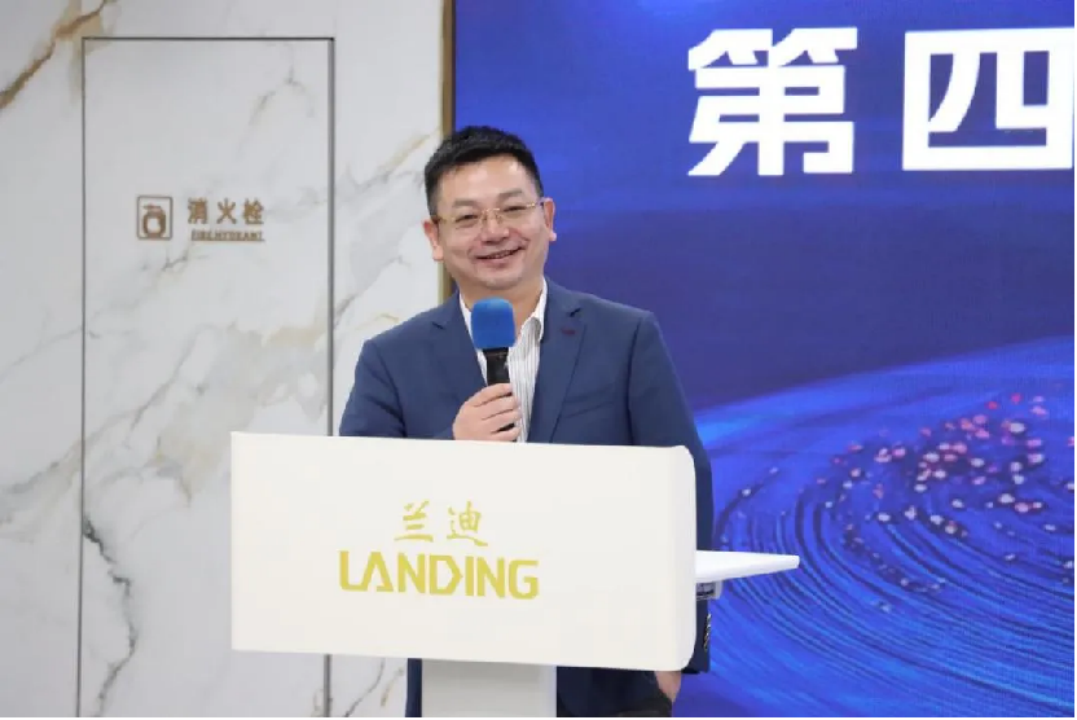
Zheng Qiang, Executive Director of Shanghai Wangu Law Firm, introduced the original vision behind the development of HiAI, an AI-powered legal assistant built on ChatGPT, as well as its practical applications in legal education and practice.
He emphasized that the effective use of AI requires more than simply relying on general-purpose large language models. Instead, legal professionals should seek precise, task-specific AI solutions that are appropriately matched to the nature of the legal work at hand. As he explained, the key lies in "precision over generality."
Mr. Zheng encouraged students to regard this competition as the beginning of their journey toward integrating AI into legal practice. He urged them to "use tools with clear questions in mind, and choose tools with informed judgment," allowing technology to enhance—rather than replace—the independent professional judgment of legal practitioners. When used thoughtfully, AI can significantly improve both the efficiency and depth of legal research and analysis.
The competition concluded with the presentation of both team and individual awards. Team honors included Best Team, Best Litigation Document, and Best Legal Short Video, while individual awards recognized achievements such as Outstanding Prosecutor, Outstanding Defense Counsel, and Outstanding Judge.
Zhou Ningxuan, recipient of the Outstanding Prosecutor Award, remarked that the competition provided an immersive experience of the rigor and humanity of judicial practice, enabling her to gain a deeper appreciation of the fundamental principle of "basing judgments on facts and taking the law as the sole criterion."
Another recipient of the same award, Wang Weikang, reflected that the competition platform, the dedicated guidance of the mentors, and the healthy competition among participants all played an indispensable role in helping him challenge himself and achieve meaningful personal and professional growth.

Liu Siyu, recipient of the Outstanding Defense Counsel Award, remarked that the combination of AI-powered legal tools and guidance from experienced practitioners enabled him to approach every stage of the competition with confidence. The experience not only strengthened her courtroom advocacy and public speaking skills but also provided invaluable hands-on litigation experience, further preparing her for future legal practice.

In his closing address, Zhang Guoyuan expressed his sincere gratitude to all organizers, mentors, judges, and participants for their dedication and collective efforts in making the competition a success.Addressing the competitors, he encouraged them to cultivate two essential mindsets as they embark on their future legal careers.
First, he urged students to develop a spirit of resilience and perseverance—the determination to confront setbacks and challenges with courage, remain steadfast in the pursuit of excellence, and continue striving for personal and professional growth.
Second, he emphasized the importance of embracing the AI era with an open and forward-looking mindset. He encouraged students to proactively learn emerging technologies, explore innovative applications of AI in legal practice, and harness technology to enhance their professional capabilities. By combining sound legal judgment with technological innovation, future legal professionals can grow alongside the evolving legal landscape and remain at the forefront of the profession.
Where Law Meets Intelligence: Empowering the Next Generation of Legal Professionals with AI
The successful conclusion of this competition represents a significant achievement in the integration of artificial intelligence and legal education, as well as in the collaborative talent development model between universities and law firms.
By incorporating AI into every stage of moot court preparation and advocacy, the competition transcended the traditional limitations of practical legal education and instilled in participants the mindset of integrating legal expertise with intelligent technologies. More importantly, the close partnership between academia and legal practice brought together academic scholarship, professional experience, and cutting-edge technological innovation to create a comprehensive ecosystem for legal talent development.
This collaborative model offers a compelling example of how legal education can evolve to meet the demands of the legal profession's ongoing digital transformation.
Looking ahead, Landing Law Offices will continue to deepen its collaboration with leading universities. By leveraging the complementary strengths of both academia and legal practice, Landing remains committed to fostering the next generation of interdisciplinary legal professionals through forward-thinking educational concepts and diverse practical training opportunities. Together, these efforts will help equip future lawyers with the knowledge, technological competence, and professional judgment needed to thrive in the AI era, while contributing sustained momentum to the continued development of the legal profession.

兰迪律师官方微信

兰迪全球官方微信


Contact:191-2185-9019
Phone: 021-6652 9952
Email: marketing@landinglawyer.com
Address: 16F, East Tower, Raffles City The Bund,
No.1089 East Daming Rd., Hongkou Dist., Shanghai, China
Copyright © 上海兰迪律师事务所.All rights reserved. 沪ICP备18016785号-5