



Lawyers specializing in family law from Australia, New Zealand, the United Kingdom, and Hong Kong gathered to discuss practical solutions to the complex legal issues arising in cross-border marriages during the successful conclusion of the fourth session of the Landing Law Offices Sinoblawg Cross-Border Family Law Practice Sharing Series.
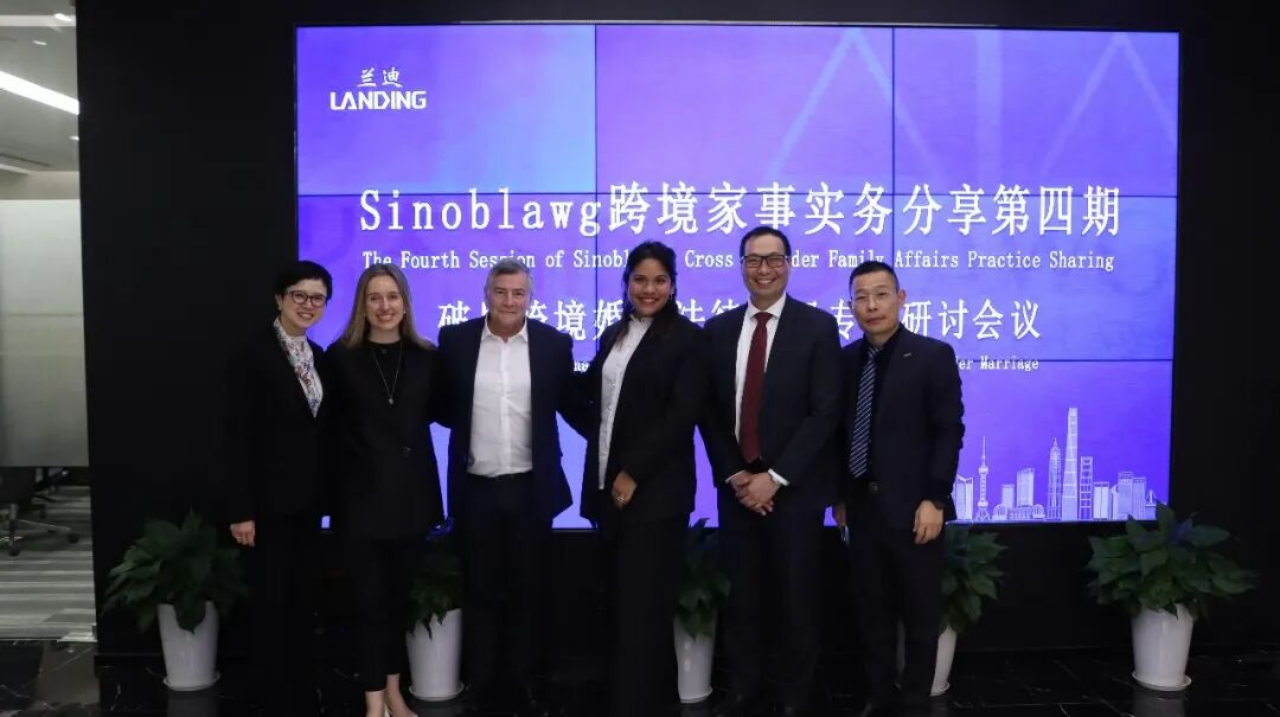
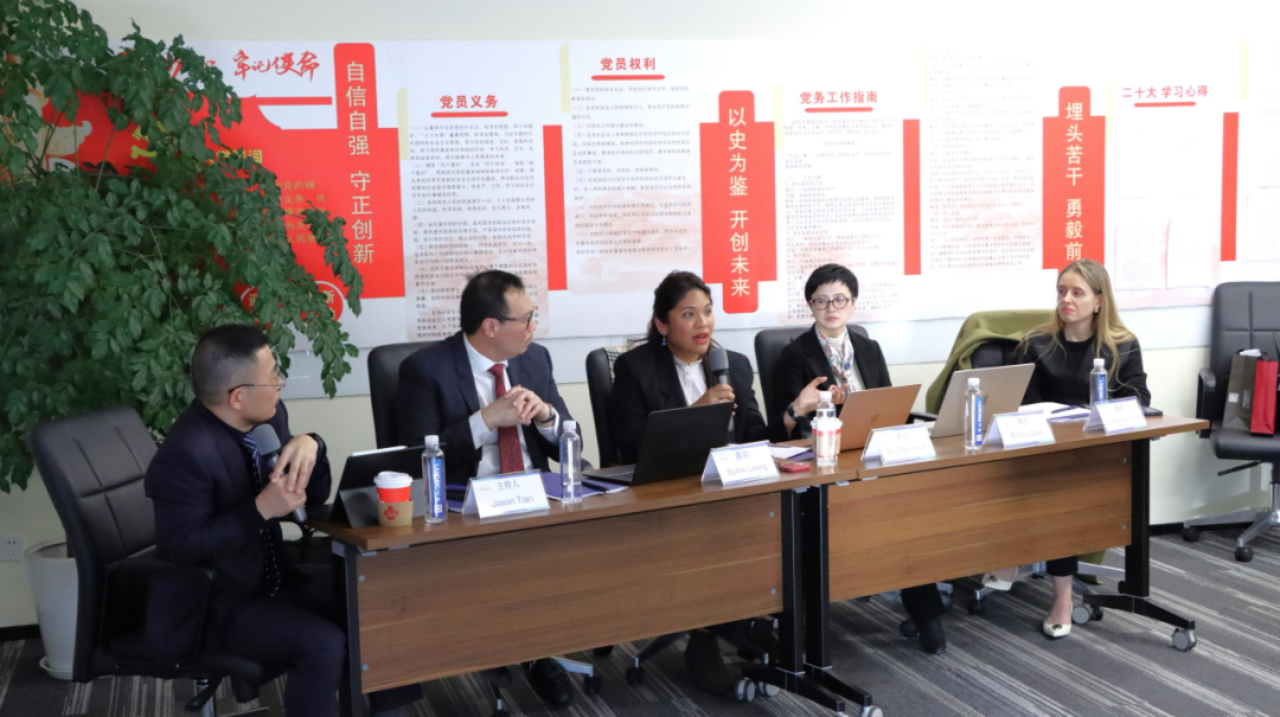
As globalization continues to accelerate, cross-border relationships and international marriages have become increasingly common. However, when such relationships encounter challenges, the legal issues involved are often far more complex than those arising in domestic marriages. On December 9, 2025, the Fourth Cross-Border Family Law Practice Sharing Session, hosted by the Cross-Border Wealth Planning and Succession Team of Landing Law Offices, was successfully held.
The event was moderated by Jason Tian, Senior Partner of Landing Law Offices, who invited distinguished family law practitioners from multiple jurisdictions to jointly explore the legal complexities and practical solutions surrounding cross-border marriages. The guest speakers included Byron Leong, Partner at Lander & Rogers; Elaine Sum, Partner at ONC Lawyers; Lucy Stewart-Gould, Partner at Stewarts Law LLP; and Shu Mei Hoon, Director in the Dispute Resolution Department of Drew & Napier LLC. Together, they shared insights into the legal challenges and dispute-resolution strategies involved in cross-border marriages.

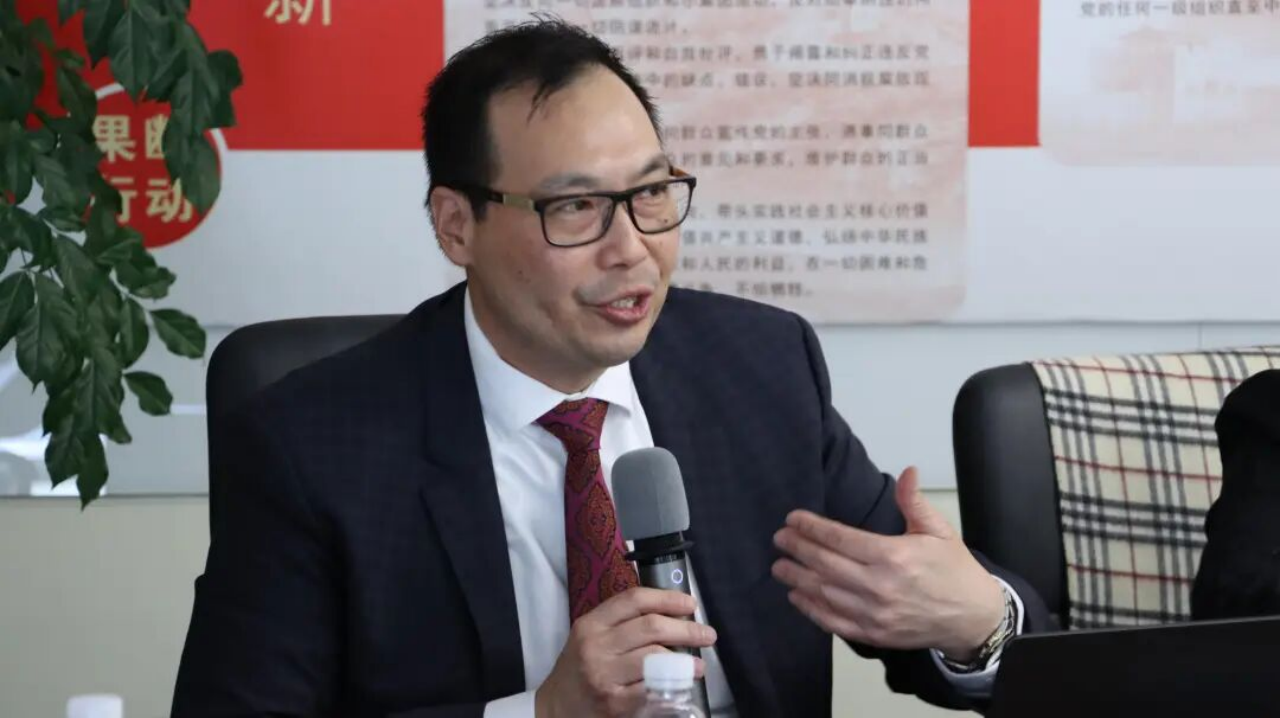
Jason Tian (left) and Byron Leong (right)
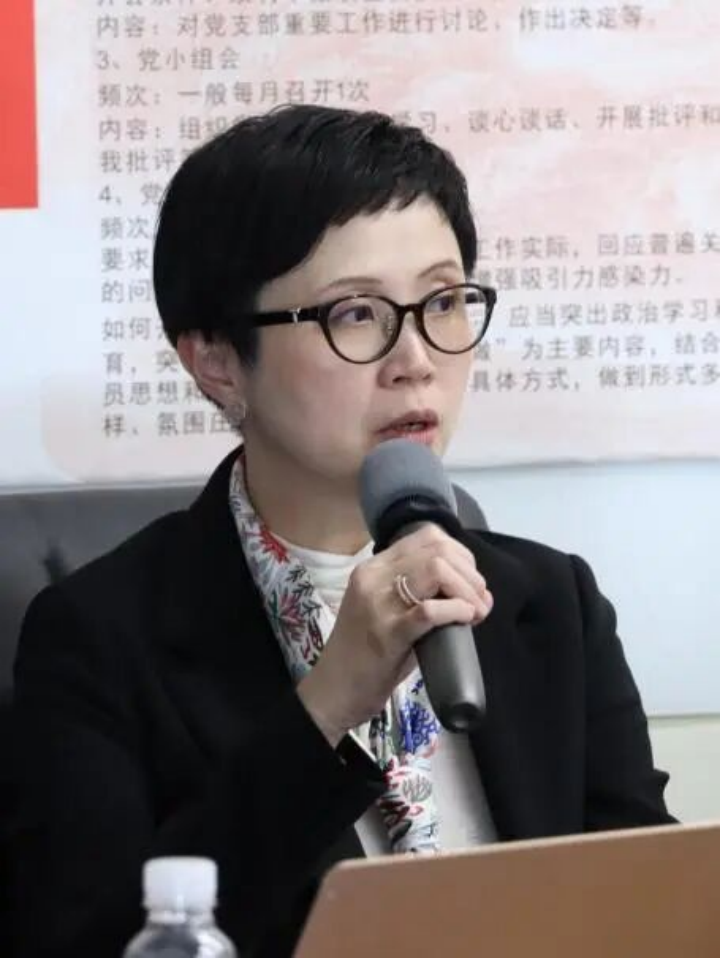
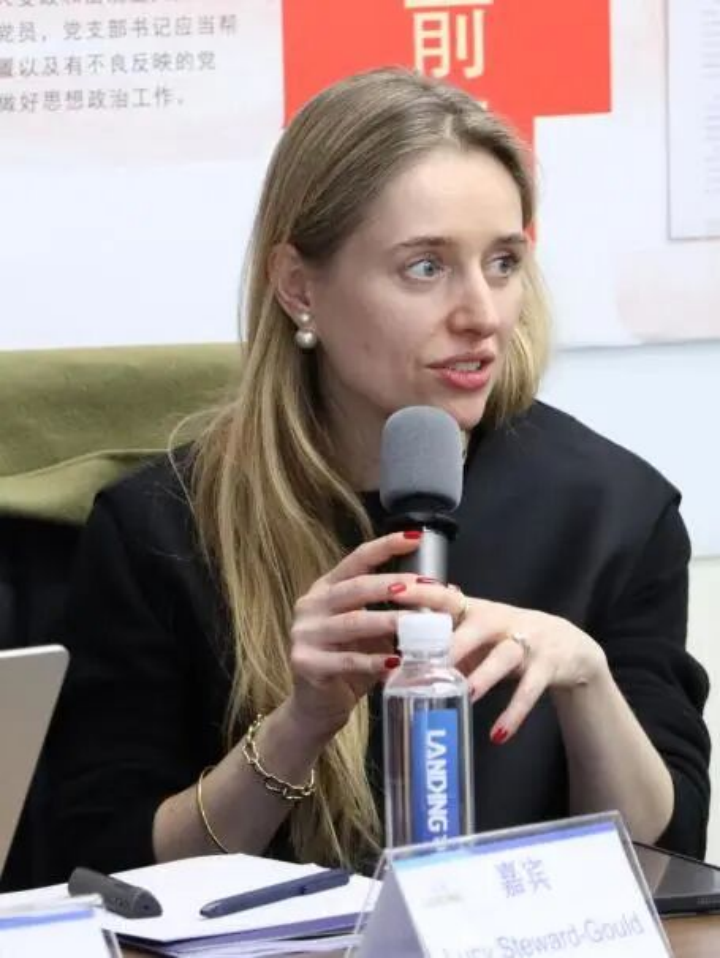
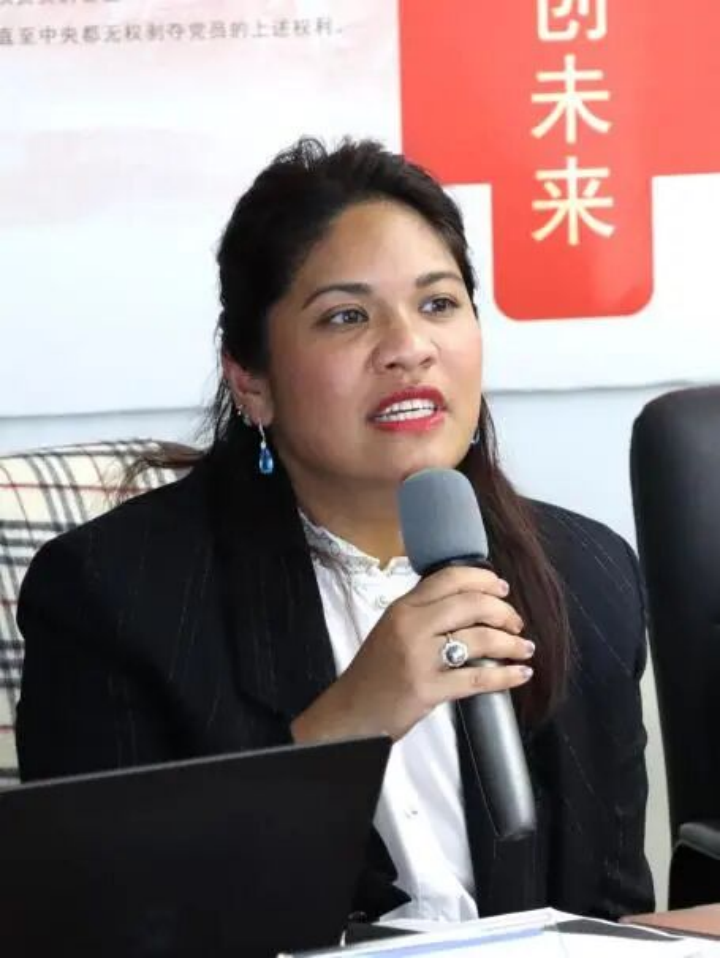
Elaine Sum (left), Lucy Stewart-Gould (center), and Shu Mei Hoon (right)
The event also specially invited John Spender, Partner at Kennedy Partners and member of the International Academy of Family Lawyers, to deliver an online opening address for the session.
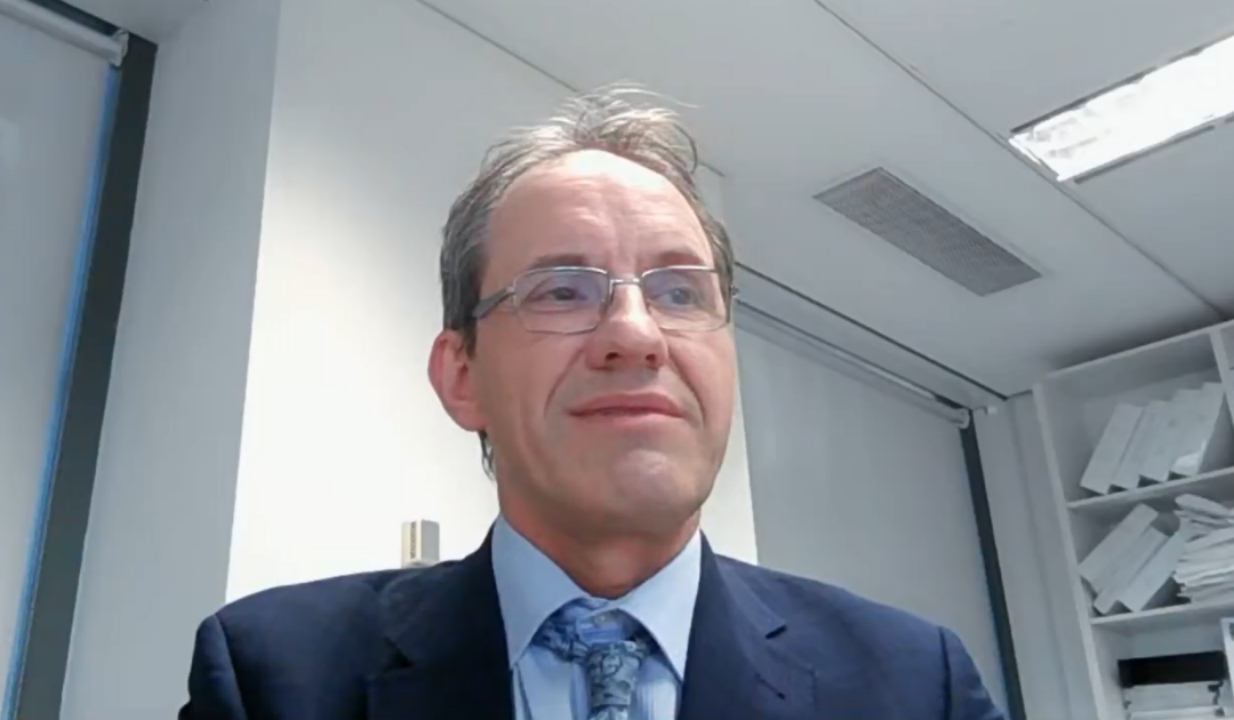
John Spender
The event was conducted simultaneously online and offline, focusing on five of the most critical legal pain points commonly arising in cross-border marriages:
Through real-life case studies, the participating lawyers provided in-depth analysis of several key issues commonly encountered in cross-border marriages.
With respect to prenuptial agreements, the speakers emphasized that their legal effect varies significantly across jurisdictions. For example, although courts in Hong Kong do not automatically grant direct enforceability to prenuptial agreements, such agreements may still be accorded “decisive weight” if certain conditions are satisfied, including voluntary execution, full financial disclosure, and independent legal advice for both parties.
Regarding the overseas enforceability of prenuptial agreements, the lawyers noted that agreements signed in China may not necessarily be directly recognized in foreign jurisdictions. They therefore recommended executing supplementary postnuptial or marital property agreements overseas in order to provide broader protection for assets located abroad.
With respect to property division, the standards applied in divorce proceedings differ significantly across jurisdictions. In Hong Kong, courts generally adopt a five-step analytical approach that emphasizes the principle of fair distribution. In Australia, courts do not focus on whose name the property is registered under when dividing marital assets; instead, greater attention is given to whether the assets were accumulated during the marriage or are otherwise connected to the marital relationship. Australian courts also place stronger emphasis on protecting the interests of the more vulnerable party in divorce proceedings. Meanwhile, in Singapore, courts distinguish between premarital and postmarital assets, with property acquired after marriage generally regarded as matrimonial property subject to division. Understanding these jurisdictional differences is critically important when developing cross-border asset planning strategies.
Regarding legal issues involving cross-border child relocation, the participating lawyers consistently emphasized that the “best interests of the child” principle remains paramount. For example, courts in the United Kingdom, when handling child relocation cases, typically examine factors such as the genuine motivations behind the proposed relocation, whether the child’s relationship with the non-relocating parent can be adequately maintained, and the social environment of the destination country.

A networking tea break was also arranged during the event, during which participants and guest speakers engaged in in-depth discussions on practical cross-border legal challenges encountered in practice. The atmosphere on site was lively and highly interactive. Participants widely expressed that this type of multi-jurisdictional, collaborative professional exchange provided practical and workable insights and methodologies for addressing complex legal issues in cross-border marriages.
With the acceleration of global mobility, the demand for specialized legal services in cross-border marriages continues to rise. The Cross-Border Wealth Planning and Succession Team of Landing Law Offices will closely monitor the latest developments in this field and remains committed to providing clients with comprehensive, multi-jurisdictional legal solutions. Stay tuned for the upcoming insights from the fifth session of the series.

兰迪律师官方微信

兰迪全球官方微信


Contact:191-2185-9019
Phone: 021-6652 9952
Email: marketing@landinglawyer.com
Address: 16F, East Tower, Raffles City The Bund,
No.1089 East Daming Rd., Hongkou Dist., Shanghai, China
Copyright © 上海兰迪律师事务所.All rights reserved. 沪ICP备18016785号-5